
What 420 Means in Ottawa Today

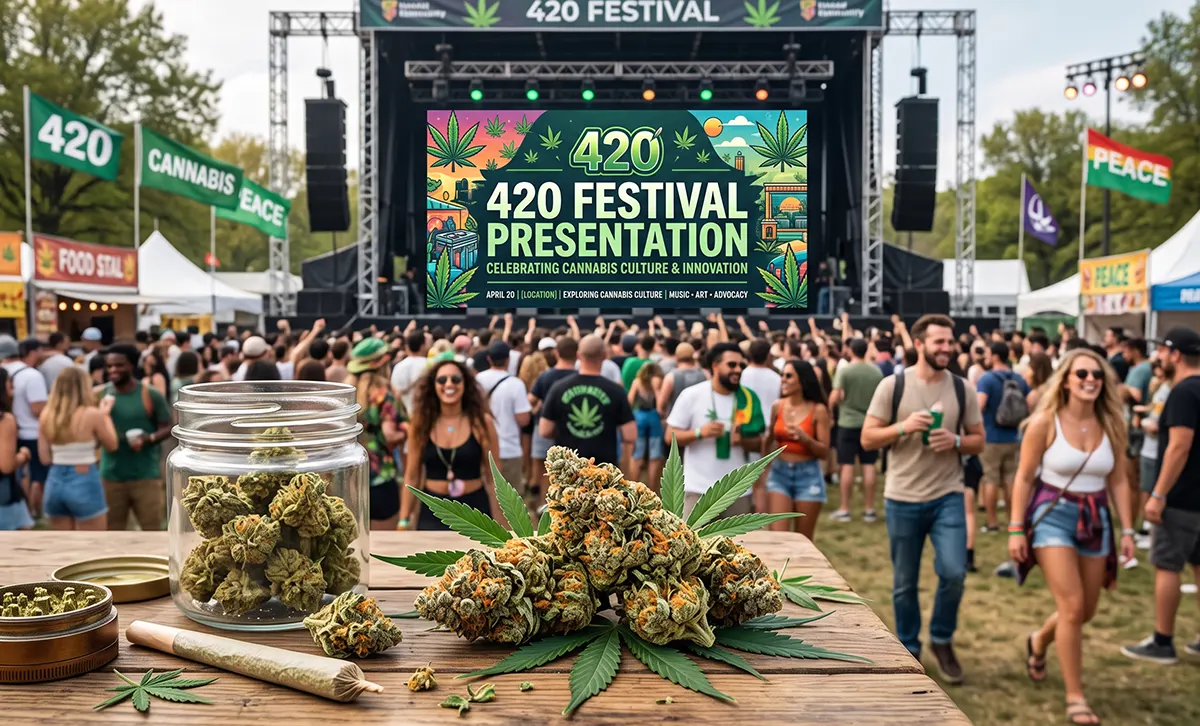
For much of the year, 420 is simply a number. On April 20, it becomes something else. The date has become one of the most recognizable moments in cannabis culture, a day associated with gatherings, music, food, social events and, for many adults, cannabis itself. But in Ottawa, where 4/20 has a long history of public demonstrations and political activism, the occasion carries a meaning that extends well beyond celebration.
The city’s relationship with 420 was shaped by its role as Canada’s capital. Long before cannabis became legal, Parliament Hill became a gathering place for people who wanted to challenge the country’s cannabis laws. The location was more than convenient. It was symbolic.
“Every year, people gathered within sight of Parliament to make the case that Canada’s approach to cannabis needed to change.”
The events attracted large crowds and developed an atmosphere that was difficult to categorize. They were protests, but they were also social gatherings. Music mixed with political speeches. Friends met up. People talked. And as 4:20 p.m. approached, the crowd waited for the moment that had become the defining ritual of the day.
Reports from the 2012 event described thousands of people on Parliament Hill, demonstrating just how large the annual gathering had become.
At the time, cannabis was still illegal.
That fact is important because it explains why 4/20 carried such political weight. The people gathering in Ottawa were not celebrating a legal consumer market. There was no national recreational cannabis industry. There were no legal retail stores selling regulated products across the country.
There was instead a debate over prohibition.
Should adults be criminalized for possessing cannabis? Should medical cannabis be more accessible? Was prohibition working? Could regulation provide a better alternative?
Those questions helped shape the political environment that eventually led to legalization.
By 2018, the country was approaching a historic turning point. The April 20 gathering on Parliament Hill took place only months before Canada would officially legalize recreational cannabis. Reports from that period described a gathering that reflected both celebration and continued concern about the government’s plans for regulation.
Then, on October 17, cannabis became legal for non-medical use in Canada.
For 420, that was a profound change.
The date had been built around a movement that wanted cannabis laws to change. Once those laws changed, the occasion had to find a new identity.
It did.
Today, 4/20 is less clearly defined by protest and more by culture.
Some people celebrate by spending the day with friends. Others use the occasion to learn more about cannabis products or explore the legal marketplace. Some attend events or enjoy music and entertainment. Others simply treat April 20 as a familiar tradition that has become part of popular culture.
There is no longer a single 420 experience.
That may be the clearest sign of how mainstream cannabis has become.
The legal market itself has become considerably more diverse. Health Canada tracks dried cannabis, edibles, extracts, topicals, plants and seeds among the categories sold through the regulated market.
That diversity has created a more sophisticated consumer culture. People who once had limited choices can now compare different product formats and learn about potency, cannabinoids and terpenes. The conversation has moved away from the simple question of whether cannabis is legal and toward the much broader question of how people use and understand it.
The transformation has also made 4/20 increasingly important to businesses.
Retailers prepare for the date. Cannabis brands plan campaigns. Events are organized. Social media becomes crowded with references to the number. Restaurants and entertainment businesses can also benefit from the increased attention surrounding the day.
It is difficult to imagine a more dramatic transformation.
A date that once represented resistance to an illegal market is now an important moment for a legal industry.
Yet commercialization is only one part of the story.
For many people, 4/20 remains fundamentally social. The date gives friends a reason to get together, order food, listen to music and spend time together. The old cannabis stereotype of the “munchies” has become almost inseparable from the culture surrounding April 20, but food is also simply part of what makes gatherings enjoyable.
Music has a similar history.
Earlier Ottawa 4/20 events featured performances and entertainment, helping turn political demonstrations into large community gatherings.
That combination of politics, music and socializing helped create the atmosphere that continues to define 4/20 today.
There is also a generational story unfolding around the date.
For Canadians who remember the years before legalization, 4/20 can bring back memories of a very different country. Cannabis had to be hidden. The legal consequences were real. Public conversations about the plant were often shaped by stigma and stereotypes.
For younger adults who grew up after legalization, the experience can be completely different.
Cannabis may simply be another legal product.
The political struggle that once surrounded it can feel like history rather than lived experience. Both generations can look at the same date and see something different.
That is part of what makes 420 so enduring. It connects Canada’s past with its present.
The date also raises an obvious question: if cannabis is legal, why does 4/20 still matter?
The answer is that legalization did not erase the history that preceded it.
The people who participated in the demonstrations, organized events, challenged laws and changed public attitudes remain part of the story. Parliament Hill remains a powerful symbol because it was one of the places where that debate became visible.
Ottawa therefore has a relationship with 420 that is difficult to replicate elsewhere.
The city was the backdrop for a national political argument. The crowds were not simply asking for permission to celebrate cannabis. They were challenging the legal framework surrounding it. Eventually, the framework changed.
That is why the modern celebration can carry a sense of historical significance even when the politics of the day are less prominent.
A Note on Responsibility
There is, of course, another side to the modern celebration: responsibility. Legal cannabis is regulated, but it is not without risks. Adults who consume should understand the products they are using and be particularly cautious with edibles, which can take longer to produce noticeable effects.
Driving while impaired is dangerous and illegal, regardless of whether the substance was legally purchased. The most memorable 4/20 celebration should be the one where everyone gets home safely.
Beyond that, the day is increasingly whatever people want it to be.
For one person, it might be a celebration of cannabis culture. For another, it might be an opportunity to remember the history of legalization. Someone else may simply see it as an excuse to spend an afternoon with friends.
In Ottawa, however, there is always another layer.
The city cannot completely separate 420 from Parliament Hill, from the crowds that gathered there or from the political movement that preceded legalization.
That is what gives the date its particular character in Canada’s capital.
420 has evolved from a counterculture reference into a global cultural event and, in Canada, into a reminder of one of the country’s most significant changes in social policy.
The celebrations may be different now. The marketplace is certainly different. The politics have changed.
But the date remains.
And every April 20…
Ottawa gets another opportunity to remember where Canada’s cannabis culture came from, how dramatically it has changed and what it means now that the country has left prohibition behind.